Three Feet From the Kitchen: What House Shows Are Teaching Us About Listening

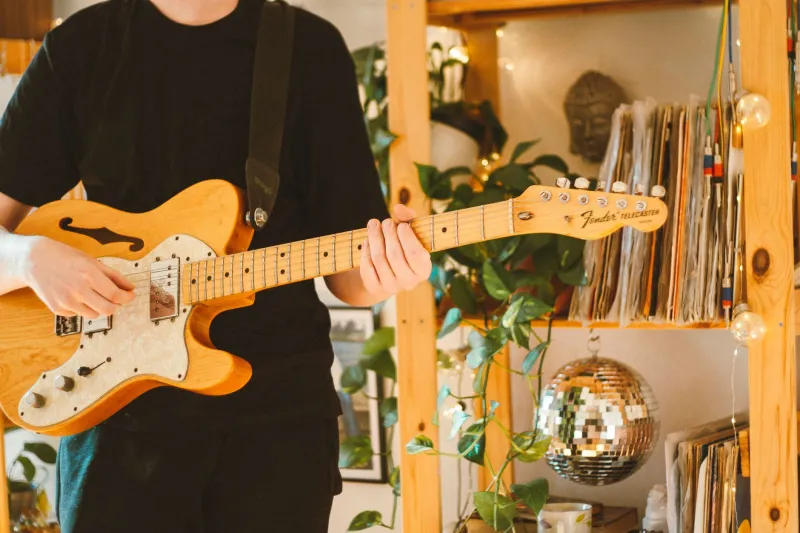
Photo by Photo by Alicia Christin Gerald on Unsplash on Unsplash
The Room With the Folding Chairs
On a Friday in October 2026, I sat on a folding chair in a living room in East Austin with thirty-four other people. The host, a graphic designer named Maya, had printed a program on thick cream paper. It listed the two acts, the running order, and a QR code for the tip jar. There was a pot of chili in the kitchen and a sign on the bathroom door that said please use the fan. The singer stood three feet from the refrigerator and opened with a song about her grandmother's address book.
No one talked. Not because they were told to, but because the room was small enough that talking would have felt like standing on someone's foot. The neighbor complained at 10:05. The show ended at 10:10. By 10:30, the chairs were stacked and the host was rinsing mugs.
This is the house show circuit as it exists in 2026: not a novelty, not a pandemic leftover, but a parallel venue system with its own economics, etiquette, and audience. I spent this fall in a handful of rooms — a basement in Minneapolis, a porch in Pittsburgh, a living room in Portland with a cat that walked across the piano, a soundproofed den outside Nashville — trying to understand what gets gained and lost when the stage disappears.
The Economics of a Living Room
A club has overhead. Rent, insurance, staff, sound, lights, liquor license, a booking agent who needs a guarantee. A house show has a host with a living room and a willingness to move the couch. That changes the math.
At the Austin show, the suggested donation was $20. Maya split the door evenly between the two acts after covering $40 for snacks and a rented amp. The touring singer sold twelve cassettes and a handful of shirts. She told me she cleared more that night than she would have at a club gig with a $150 guarantee and a 20 percent merch cut. Not every room works that way. Some hosts charge $10 and keep the difference for their own rent. Some pass a hat and hope. The good ones are transparent about the split before the artist loads in.
The lower overhead also means lower stakes for the audience. There is no bar minimum, no two-drink rule, no $18 parking garage. People bring kids. People bring neighbors. People who would not pay $35 to see a band they have never heard will pay $15 to sit in a stranger's living room and listen. That is not a small shift. It is a different on-ramp to live music.
The Etiquette Is the Venue
The house show runs on unspoken rules. Take your shoes off if the host does. Do not touch the art on the walls. Do not talk during the quiet songs. Leave by the time the host says leave. Bring something for the potluck even if you were not asked. Put your phone away during the set, or at least turn the brightness down.
The hosts I met were not running informal clubs. They were running small social contracts. One host in Minneapolis printed a program with a note that said the show starts at 7:30 and the room will be silent at 7:31. A host in Pittsburgh asked guests to park on the street and not in the neighbor's driveway. A host outside Nashville had a soundproof curtain and a standing agreement with the next-door neighbor: music stops at 9:45, no exceptions.
The neighbor is the wild card. At the Austin show, the complaint came from across the alley — not about the volume, but about the cars. The host handled it with a plate of cookies and an apology. That is the house show in miniature: the art is intimate, and so is the friction.
What Gets Gained and What Gets Lost
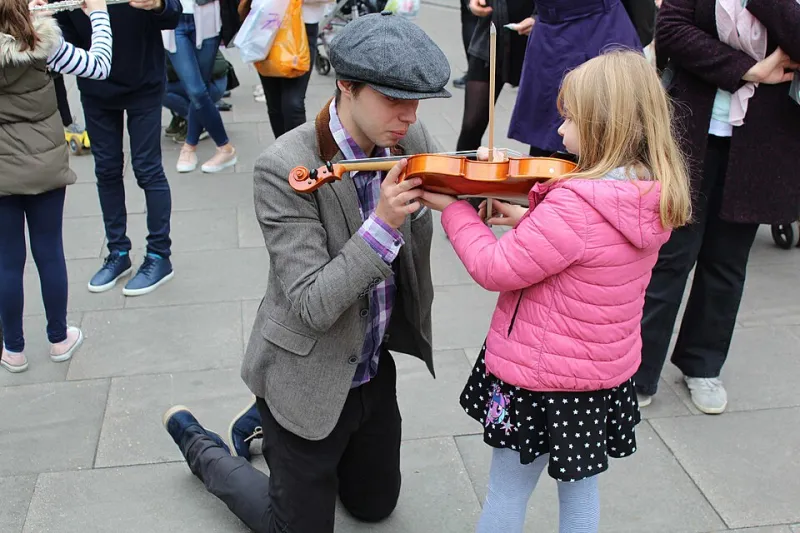
What gets gained is attention. In a club, the audience is part of a crowd. In a living room, the audience is part of a room. People lean in. They hear the breath between phrases. They see the artist tune and retune. They notice when a lyric lands and the singer's face changes. That proximity does something to listening. It makes listening visible.
What gets lost is everything a stage provides. Sightlines. Sound. Accessibility. A green room. A clear boundary between performer and guest. House shows can be hard for disabled audiences, hard for artists who need a real monitor mix, hard for hosts who do not want strangers in their home. There is also the legal gray area of charging admission in a residential space, the insurance question nobody wants to ask, and the simple fact that not every neighborhood wants a concert on a Friday night.
The takeaway is not that house shows are better. They are not. They are smaller, riskier, and more fragile. But they reveal something useful: audiences are not just looking for music. They are looking for a way to be close to it. The stage is not the only thing that can create that closeness. Sometimes a folding chair and a printed program can do it better.