Your Weirdest Trait Is Probably Your Most Marketable One
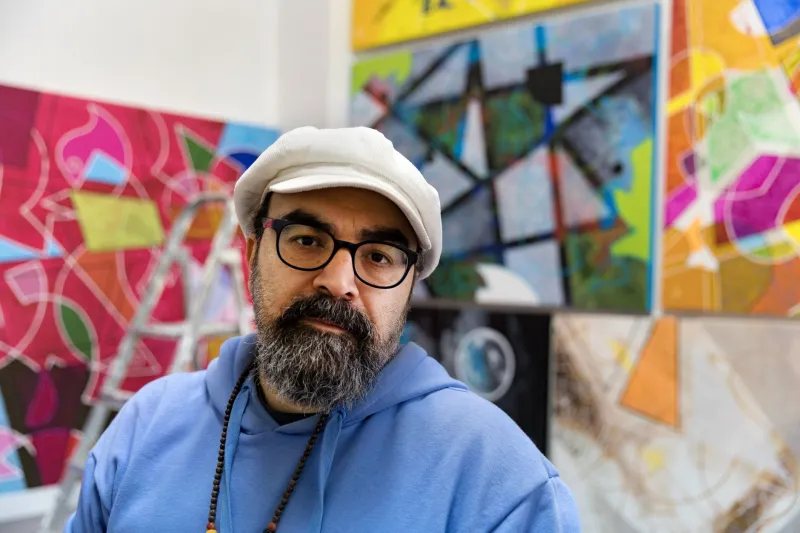
Somewhere along the way, most of us learn to sand down our edges. Not all at once — it happens in small moments. A professor who raises an eyebrow at your "unusual" influences. An early client who asks if you can make it "a little more mainstream." A comment section that doesn't know what to do with you. And slowly, incrementally, you start to self-edit before anyone else gets the chance.
I did this. For longer than I'd like to admit.
Then I started paying attention to the artists whose work I couldn't stop thinking about — and I noticed something. The thing that made them unforgettable was almost never the thing that made them safe. It was the specific, sometimes baffling, deeply personal weirdness they refused to apologize for.
So let's talk about that weirdness. Specifically, yours.
Authenticity Isn't About Being Relatable
There's a version of "authentic branding" advice that basically tells you to be warm, approachable, and broadly likable — to share enough personal detail to feel real without alienating anyone. And that advice produces a lot of content that feels vaguely human but ultimately forgettable.
Real authenticity isn't about being relatable. It's about being specific. And specificity, by definition, is not universal.
Think about the artists who have genuinely carved out a lane that belongs only to them. Björk built an entire visual and sonic universe out of a sensibility that most record labels would have called uncommercial. David Lynch made a career out of imagery that came entirely from his own interior landscape — and people who'd never been to rural Idaho or had his particular nightmares still felt the truth of it viscerally. Lizzo's brand isn't just "body positivity" — it's a very specific cocktail of Detroit upbringing, classical flute training, and unapologetic maximalism that couldn't have come from anyone else's life.
The specificity is the appeal. Not in spite of how particular it is, but because of it.
What You've Been Hiding Might Be Your Signature
Here's an exercise I've actually done, and I'd recommend it: write down the things about your creative practice that you've downplayed, hidden, or apologized for. The influences you don't mention in interviews because they seem too weird or too lowbrow or too niche. The aesthetic choices you second-guess because they feel too personal. The obsessions that don't fit neatly into your genre.
That list? That's your source material.
For me, it was a weird combination of things — a deep love for old Bollywood film scores, an obsession with architectural photography, and a tendency to write lyrics that reference things most people in my audience haven't heard of. For a long time I treated these as separate from my "real" work, like hobbies that didn't belong in the professional zone.
When I stopped separating them, everything got more interesting. The work got stranger and more specific, and somehow — counterintuitively — it started connecting with people more deeply. Because when you're pulling from something genuinely yours, people can feel the difference even if they can't name it.
The Difference Between Weird and Alienating
Okay, real talk: not every quirk automatically becomes a brand asset. There's a difference between leaning into your idiosyncrasies with intention and just being chaotic for the sake of it.
The artists who make their weirdness work aren't just doing whatever they want with zero self-awareness. They're doing something more specific: they're finding the universal thread inside the particular thing. Lynch's imagery is deeply strange, but it's also about fear, desire, and the uncanny feeling that something's wrong beneath the surface — feelings everyone has. Björk's music is sonically alien, but it's about love, grief, and transformation — feelings everyone has.
Your job isn't to make your weirdness legible to everyone. It's to find the emotional truth inside it that other people can grab onto, even if the specific context is entirely yours.
Practically, this means being intentional about how you present the strange stuff. Context helps. Storytelling helps. If your biggest influence is a 1970s Peruvian folk singer that nobody in your audience has heard of, you don't have to pretend otherwise — but you can tell the story of why that music hit you so hard in a way that makes the feeling accessible even if the reference isn't.
Building It Into the Brand, Not Bolting It On
There's a version of this that goes wrong when people treat their quirks as a marketing gimmick — a "fun fact" they mention once in a bio but never actually let into the work. That's not what I'm talking about.
Building your weird into your brand means letting it actually shape what you make, how you talk about it, and what you consistently show up with. It means your influences are visible in your aesthetic. It means your obsessions inform your creative decisions. It means people who follow your work start to understand your particular lens, and they come to you for that lens.
That's how you stop competing on the same crowded ground as everyone else in your space. You're not trying to be the best version of a familiar thing — you're being the only version of a specific thing. And the only version of anything is always in less supply than the best version of something generic.
A Note on Courage
None of this is easy, and I don't want to make it sound like it is. Putting your actual weirdness into the world — not performing quirkiness, but genuinely leading with the parts of yourself that don't fit a clean category — takes a kind of courage that most of us have to practice.
It means accepting that some people won't get it. It means resisting the pull to smooth things out when the work feels too exposed. It means trusting that the people who do get it are worth more to your creative life than the broad, lukewarm approval of people who never really connected with it in the first place.
The artists whose work I keep coming back to, years later? They all made that bet. And from where I'm standing, it paid off every time.